
How to Cope After the Holidays
The new year is often framed as a time for fresh starts, goal setting, and increased productivity. But for many people, it can bring anxiety, low mood, fatigue, emotional exhaustion, and heightened stress.
If you’re feeling overwhelmed, unmotivated, or behind while others seem energized, you’re not alone. Experiencing these feelings after the holidays is common and does not mean you’re failing.

Why the Start of the Year Can Feel Heavy
Several factors can make this time of year emotionally challenging:
Seasonal changes and reduced daylight
Post holiday letdown and financial stress
Pressure to set goals or make big changes
Increased time on social media
Less structure and fewer social events
Stress or relapse during the holidays
Resurfacing trauma or grief
Many people notice sleep disruption, heightened anxiety, or depressive symptoms during this period (Modzelewski et al., 2025). From a mental health perspective, this is a common response that many people experience after periods of prolonged stress.
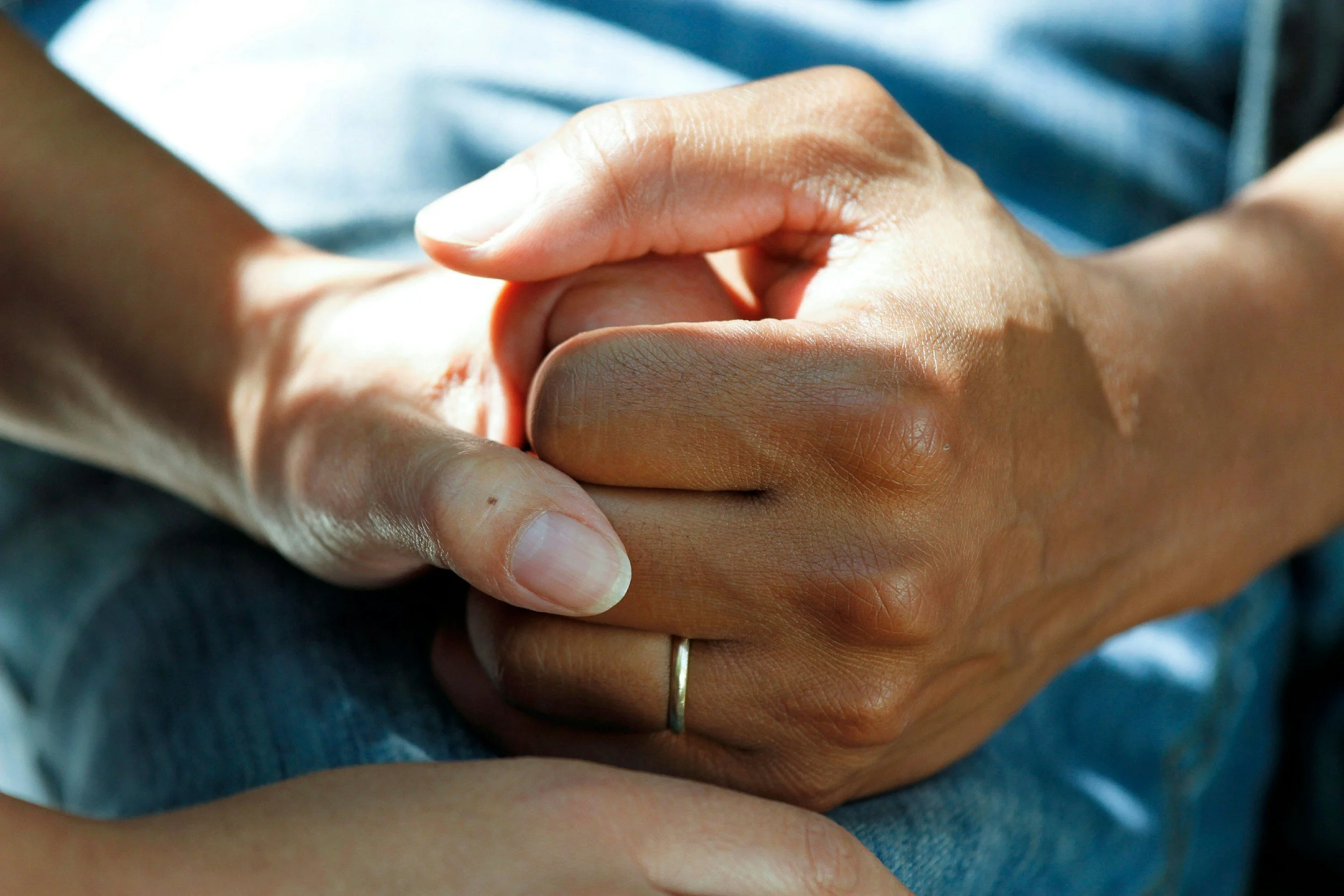
You might need support
It’s easy to self criticize if you’re struggling after the holidays. However, most of us have been overstimulated for months and its a natural response for our bodies to need recovery time.
Regulating your nervous system, prioritizing self care, and restoring balance often need to come before setting ambitious goals or planning for the future. One helpful approach is to take inventory of where your body and mind are right now and use reflective questions to guide the restorative process involving self care and emotional regulation. This includes:
What signs is my body showing me that it needs to rest?
How am I supporting my body’s need to rest?
When does my energy feel restored?
Are my actions and routine aligned with my values?
What would support me right now?
What is one small thing I can do for myself today?
When did I feel connected today (socially, spiritually, physically, etc.)? How can I incorporate this in the coming days?

How Therapy Can Help During This Transitional Phase
Therapy can provide a safe, grounding space to:
Process stress, burnout, or seasonal depression
Navigate the intensity of the holiday season concluding itself
Work through relapses, challenges with boundary setting, or traumatic events
Understand how depression or anxiety may affect motivation
Develop practical, person centered coping skills
Reflect on values and reconnect with what matters most
If any of this resonates with you, support is available. Where The Irises Grow Therapy, LLC offers trauma informed telehealth therapy for adults navigating stress, anxiety, burnout, and life transitions. You’re welcome to reach out to explore whether therapy could be the right next step for you.
REFERENCES
Modzelewski S, Naumowicz M, Suprunowicz M, Oracz AJ, Waszkiewicz N. The Impact of Seasonality on Mental Health Disorders: A Narrative Review and Extension of the Immunoseasonal Theory. J Clin Med. 2025 Feb 9;14(4):1119. doi: 10.3390/jcm14041119. PMID: 40004649; PMCID: PMC11856923.